







Search Results for: Anaerobic Slow Sun-Dried
Colombia Flower Night Moon Coffee Flavor Analysis: Anaerobic Slow Sun-Dried Processing Method and the Origin Characteristics of the Caturra Variety
Colombia, as the world's third-largest coffee-producing country, supplies today's specialty coffee market with Arabica beans and has given rise to many well-known coffees. This article focuses on Front Street Coffee's Huayeyue — from the Acevedo Gaitán farm in the Huila region, processed using anaerobic slow sun-drying, undergoing 15 to 20 days of low-temperature fermentation and slow drying, which gives the coffee a distinctive aroma and layered flavor. The article will also introduce the growing background of estate owner Ramirez, as well as the Caturra variety's dwarfing advantages, yield and disease-resistance characteristics, and its crisp fruity acidity, taking you deeper into understanding the appeal of this specially processed coffee. [more…]

Panama Santos Estate Geisha ASD Anaerobic Low-Temperature Slow Dry Process and Flavor Analysis
Santos Café Panamá is located in the Nacimiento area of Santa Clara and has been owned and passed down by the Lezcano family since their purchase in 1947, now spanning five generations. In 2014, estate owner Mario Lezcano acquired La Marma estate and formally entered the specialty coffee field, and his Pacamara "White Horse" even won the traditional washed category championship at the 2021 BOP competition. This article focuses on Santos Estate's Geisha coffee beans, providing a detailed explanation of the ASD anaerobic fermentation low-temperature slow sun-drying process they use, and presenting Front Street Coffee's roasting approach, cupping performance, and V60 brewing parameters for this bean, offering you a comprehensive understanding of this Panamanian Geisha that combines dark berries, hawthorn acidity, and a black tea finish. [more…]
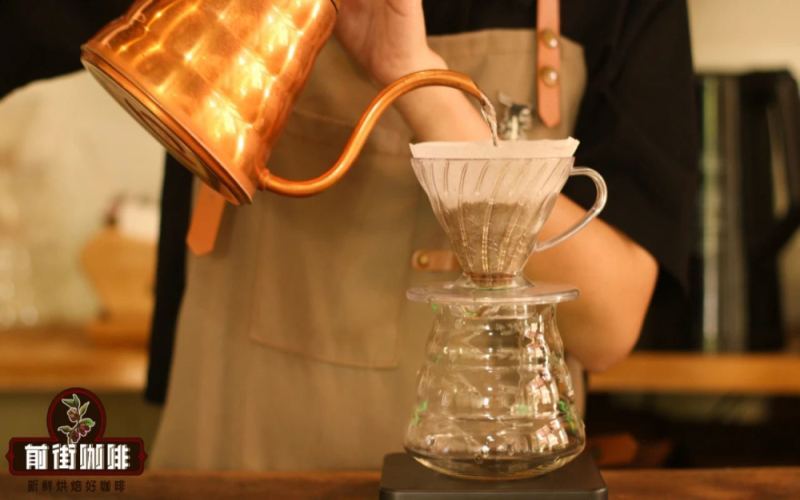
Exploring Panama's Elida Estate: Variety Characteristics, Processing Methods, and Flavor Comparison of Geisha and Typica
Amid the high-altitude mist of Panama's Boquete region, Elida Estate has earned its place in the pantheon of specialty coffee through a century of heritage and exceptional quality. This article will guide you through the estate's history, terroir, and cultivated varieties, and from the tasting perspective of Front Street Coffee, compare the flavor differences between Elida Geisha and Typica. From the champion anaerobic fermentation low-temperature slow sun-drying process, to the refined roasting curves and brewing parameters, and to the rich layers revealed in cupping, we will together uncover the secrets behind Elida coffee's high esteem. [more…]

Panama Elida Estate Geisha and Typica: A Complete Guide to Natural Processing and Cold Brew Flavor Analysis
Located in the Boquete production region of Panama, Elida Estate has a century-long history and high-altitude microclimatic conditions, and its Geisha and Typica coffee beans each have their own distinctive characteristics. Using Elida Estate's anaerobic fermentation low-temperature slow sun-dried Geisha and sun-dried Typica as examples, Front Street Coffee explains them one by one, from the production region background, variety characteristics, green bean analysis, roasting curves, to cupping flavors and brewing parameters. The article also shares a home method for making cold brew coffee, helping coffee lovers make a full, juicy Geisha iced coffee at home. [more…]
Exploring Panama's Elida Estate: A Comparison of Geisha and Typica Varietal Flavors and Processing Method Analysis
Located in the Boquete production region of Panama, Elida Estate has a century-long history and a high-altitude growing environment, making it a star estate that attracts much attention in the specialty coffee world. For this comparison, Front Street Coffee selected Geisha and Typica from the same plot and at similar altitudes at Elida Estate, breaking down the performance of the two beans one by one, from variety characteristics and processing method differences to roasting curves and cupping flavors. The article also provides an in-depth introduction to the estate's growing conditions, the characteristics of the Catuai variety, and how the anaerobic fermentation low-temperature slow sun-drying process produces a champion-level Geisha. Whether you want to understand the flavor differences between Geisha and Typica, or are interested in processing methods and roasting details, you can gain valuable reference from it. [more…]
Costa Rica Canet Estate Bahía Specialty Beans: The Ultimate Exploration of Raisin Honey Processing and Anaerobic Craftsmanship
Front Street Coffee takes you deep into Costa Rica's Tarrazú region to explore the Bach specialty coffee beans of Canet Estate. These beans undergo a unique raisin honey processing method, combining mucilage and anaerobic techniques. After harvesting, they are sun-dried for at least three days, with the timing of depulping while retaining mucilage precisely controlled, before entering the drying stage. Climatic conditions are key to the success of honey processing—slow drying is needed to promote surface fermentation, while avoiding excessive soaking. High-frequency turning ensures uniform dehydration. The result is a rich, complex flavor, full-bodied oiliness, and extremely high sweetness, with layers of berry and citrus acidity, juicy balance, and a delicate body. [more…]
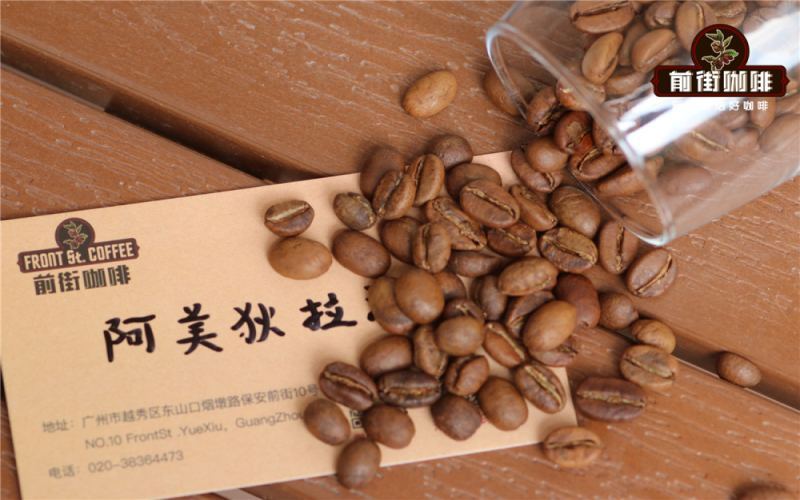
Ethiopia TOH Double Champion Armeria Lalo: Full Analysis of Anaerobic Slow Drying Processing Method and Flavor
At the Amederaro processing station in Ethiopia, at an altitude of 2,200 meters, a coffee bean named Amederaro was born, one that went on to win both the national and African regional finals of the 2019/20 TOH competition. This bean, brought to you by Front Street Coffee, undergoes anaerobic slow drying; after being harvested as fully ripe cherries and carefully sorted, it is slowly fermented in an anaerobic environment, creating layered flavors of passion fruit, honey, champagne, and white grape, with abundant juiciness and a balanced fermented character. This article will provide a comprehensive introduction to this coffee—both powerful and refined—from the perspectives of its origin background, processing method, flavor profile, and the meaning of the TOH competition. [more…]
Panama Elida Geisha Coffee Buying Guide: Estate Parameters and Brewing Techniques Explained
Hacienda Elida in Panama is a legend in the specialty coffee world, and its Geisha coffee once won the championship in the Geisha processing category at the BOP competition. From the tasting perspective of Front Street Coffee, this article provides a comprehensive analysis of Hacienda Elida's regional terroir, a parameter comparison between the two major varieties Geisha and Typica, the process details of anaerobic fermentation with low-temperature slow sun-drying, as well as roasting recommendations and brewing plans for these two beans. Whether you are a beginner just getting started or a seasoned enthusiast, you can gain practical brewing references from it and recreate the floral aroma and fruity charm of Elida Geisha at home. [more…]
Characteristics of Panama Elida Estate Geisha and Typica Coffee Beans and Analysis of Varieties in the Boquete Region
In the Boquete region of Panama, besides the world-renowned La Esmeralda Estate, there is another equally outstanding estate: Elida Estate. Founded in 1918, this estate has coffee grown at elevations up to 1,850 meters, making it one of the highest coffee estates in Panama. Elida Estate is known for its Geisha and Typica varieties, employs anaerobic fermentation with slow low-temperature sun-drying processing methods, and has repeatedly broken cupping records in the BOP competition. In this article, Front Street Coffee (FrontStreet Coffee) will take you on an in-depth look at Elida Estate's regional terroir, variety characteristics, processing techniques, and roasting and brewing recommendations, while also comparing it with La Esmeralda Estate's Diamond Mountain coffee beans, to provide coffee lovers with a comprehensive reference. [more…]
Panama Elida ASD Anaerobic Low-Temperature Slow Natural Geisha: Four Pour-Over Brewer Methods and Flavor Comparison
Front Street recently acquired a Geisha coffee bean from Elida Estate in Panama, processed using the NATURAL-ASD anaerobic fermentation low-temperature slow sun-drying method—the same process used for this year's Panama BOP champion Geisha in the processing category. After the beans were properly rested, we tested brewing with a hollow filter cup, Ice Eye filter cup, cake filter cup, and diamond filter cup, standardizing the parameters to 15 grams of coffee, medium-fine grind, 90°C water temperature, and a 1:15 coffee-to-water ratio, recording the extraction time and flavor performance for each filter cup. Elida Estate is renowned for its sun-dried processing, and this ASD Geisha shines in fermentation aroma, juicy mouthfeel, and layered tea-like notes. Below, we share four specific brewing recipes and comparison results for coffee enthusiasts' reference. [more…]
Panama Deborah Geisha Tasting Guide: Anaerobic Natural Processing and Flavor Analysis of the Savage Series
Front Street Coffee presents the Panama Deborah Anaerobic Natural Geisha, from the Savage series in the Volcán region at an altitude of 2,000-2,350 meters, roasted at a medium level to reveal white florals, pineapple, and lactic acidity, with a full and balanced mouthfeel. This article will guide you through this Geisha's unique processing method—first sun-dried on raised beds until raisin-like, then sealed and fermented anaerobically for 36 hours, retaining all the fruit pulp; at the same time, we step into Deborah Estate's high-altitude microclimate and ecological farming philosophy, and analyze the quality pursuit of the Savage coffee project. At the end of the article, we include SCA-recommended pour-over parameters: 15g coffee, 90-93°C, 225ml water, a 1:15 coffee-to-water ratio, to help you fully unlock this Geisha's flavor potential. [more…]
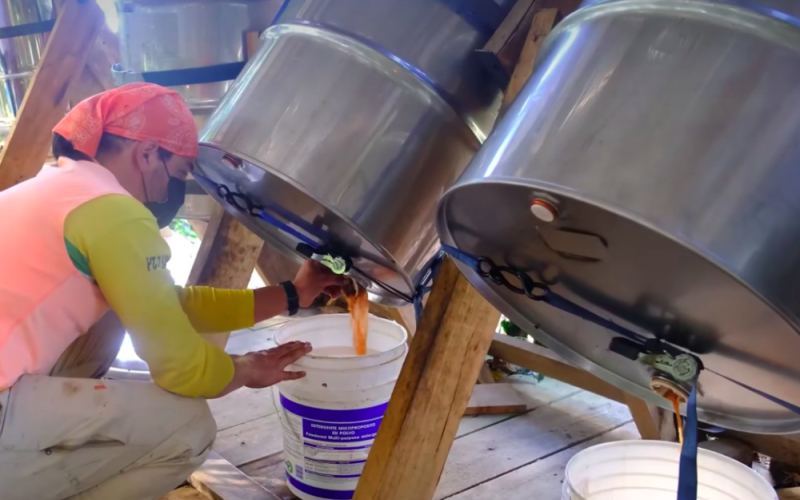
Why Are Coffee Processing Methods Becoming Increasingly Diverse? The Evolutionary Logic from Origin Adaptation to Flavor Exploration
Nowadays, the names of coffee processing methods are becoming more and more varied, from anaerobic natural to low-temperature slow anaerobic washed, from black honey and red honey to enzyme washed, making one dazzled. Behind this complexity, there are actually two main threads: the birth of early processing methods was the result of the producing region's environment forcing it—for example, Indonesia's humid and rainy climate gave rise to washed and wet-hulled methods; while the evolution of contemporary processing methods stems from the consumer market's dual pursuit of flavor expression and traceability information. This article will sort out the evolution from natural, washed to honey processing and anaerobic fermentation, analyze how different processing techniques affect coffee flavor, and reveal the deeper reasons behind the increasingly refined naming of processing methods. [more…]
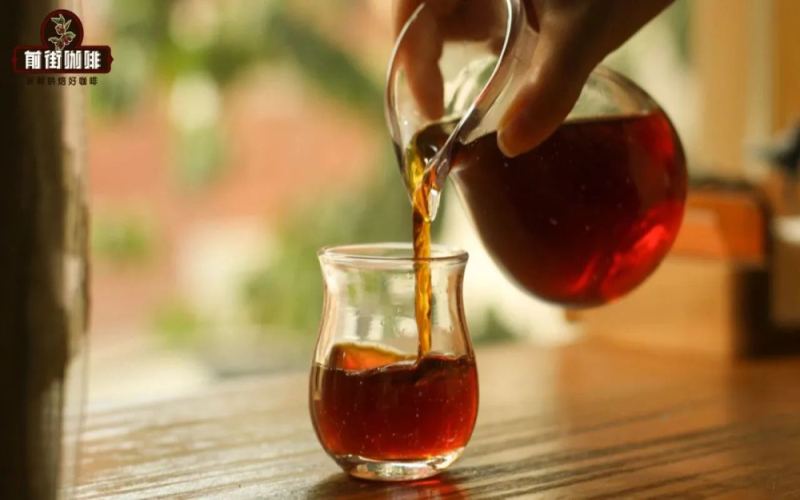
Colombia Huila Pink Bourbon Coffee Beans: Washed and Anaerobic Washed Pour-Over Flavor Analysis
Pink Bourbon is a highly representative rare variety from Colombia's Huila region, originating from a cross between Red Bourbon and Yellow Bourbon and named for the unique pink hue the coffee cherries display when ripe. The interaction of its recessive genes makes this pink coloration difficult to preserve consistently, and its yields are extremely limited. Front Street Coffee has selected two Pink Bourbon lots from the Huila region—a semi-washed and an anaerobic washed—the former displaying bright notes of citrus, berries, and cherry tomato on entry, with honeyed sweetness and a floral finish emerging as the temperature changes, and a smooth, clean mouthfeel; the latter offering deep berry flavors of smoked plum and blackberry, with crisp citric acidity, honeyed sweetness in the mid-palate interwoven with black tea notes and a cocoa finish. This article systematically reviews Colombia's coffee-growing regions and variety characteristics, and presents in detail the processing methods, roasting recommendations, and pour-over parameters for the two Pink Bourbon lots, providing coffee enthusiasts with a complete brewing reference. [more…]
Colombian Coffee Varieties and Huayue Night Flavor Analysis: Characteristics of Good Coffee Beans and the Advantages of the Boquete Producing Region
Colombia is a globally renowned coffee-producing country, and the Huila region's Flower Moon Night coffee, produced through a combination of anaerobic natural processing and the Caturra variety, displays a unique flavor profile of strawberry, floral notes, and a dark cocoa finish. This article begins with Front Street Coffee's Flower Moon Night and extends to the advantages of the high-altitude microclimate and volcanic soil of Panama's Boquete region, analyzing the cultivation conditions and processing techniques behind good coffee beans. It also introduces the origins and flavor characteristics of the Caturra variety, as well as Gatineau Farm's practices of low-temperature slow fermentation and slow drying to enhance quality, providing coffee enthusiasts with a complete understanding from origin to cup. [more…]
An In-Depth Analysis of Panama Deborah Estate Geisha Coffee: A Full Reveal of the Savage Series Flavors and Processing Methods
Panamanian Geisha coffee has always been the darling of the specialty coffee world, and Finca Deborah stands out as one of its finest examples. Perched high in the mountains of the Chiriquí volcano, this estate owes its floral, fruit-forward Geisha to extreme altitude, a unique microclimate, and innovative processing methods. This article takes you inside Finca Deborah to explore its geography, cultivation philosophy, and the Savage Coffee project led by its owner, Mr. Savage. We will also break down in detail the anaerobic natural processing method used for the Savage Geisha purchased by Front Street Coffee this time, along with Front Street's roasting analysis, cupping notes, and brewing suggestions, offering professional reference for your tasting and brewing. [more…]
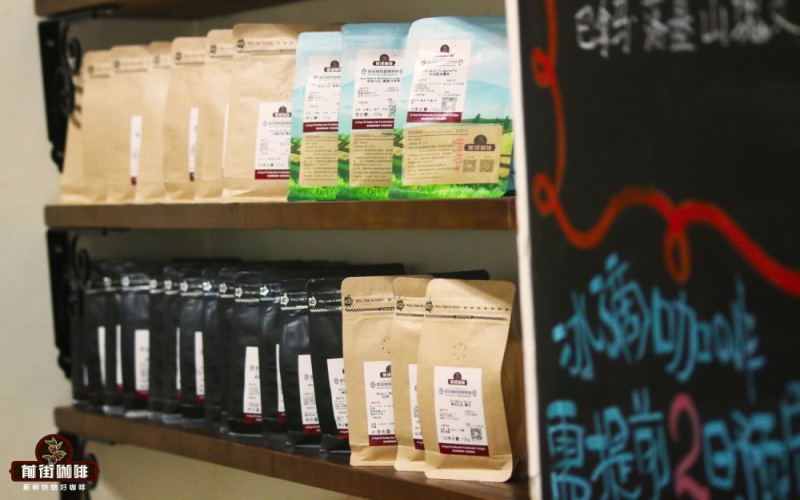
How to drink Colombia Finca El Paraiso Sakura Coffee Beans? Cauca Region Flavor and Brewing Parameters Explained
Many people first encounter specialty coffee through a cup of SOE latte. Luckin once used Huakui SOE to open up the specialty coffee conversation, and when Huakui supply became tight, Colombian Finca El Paraiso coffee beans were pushed to the forefront, becoming the flagship single-origin that took up the baton. The name Finca El Paraiso is poetic in itself—but what does it actually taste like? This article, from Front Street's perspective, sorts through the background of Colombian coffee-growing regions, the terroir characteristics of the Cauca region, and the cultivation and innovation journey of Finca El Paraiso's owner Diego Samuel, with a focus on introducing the variety, processing method, roasting approach, and pour-over parameters of Front Street's Colombian Finca El Paraiso Sakura coffee beans, helping coffee enthusiasts understand the flavor origins and brewing methods of this bean. [more…]
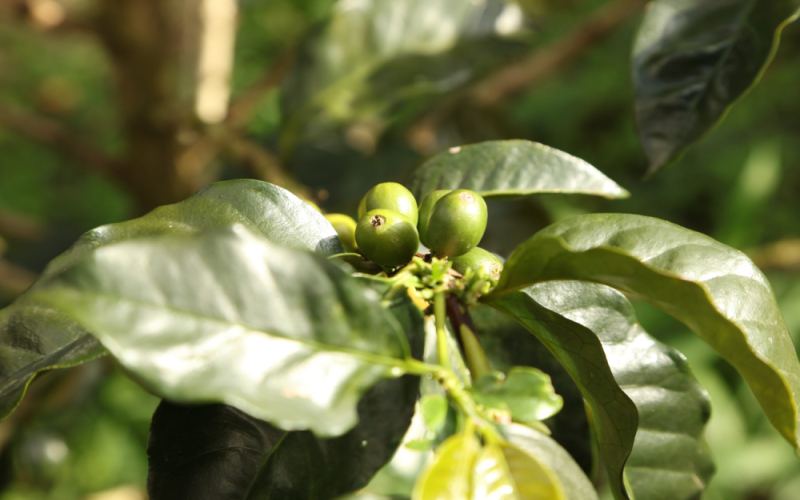
Colombian Coffee Flavor Analysis: From Rose Valley to Sakura, Exploring the Regional Characteristics of Strawberry-Flavored Coffee Beans
Colombian coffee is known for its balanced, smooth body and bright acidity, and on this land nourished by the Andes Mountains, different regions and processing methods give rise to distinctly characteristic flavors. This article takes you deeper into the geographical indication background of Colombian coffee and the distribution of its main producing regions, with a focus on analyzing the flavor characteristics and processing techniques of coffee beans such as Rose Valley, Huila, Flower Moon Night, and Cherry Blossom, while also sharing Front Street Coffee's brewing suggestions to help you find your ideal strawberry-flavored coffee beans. [more…]
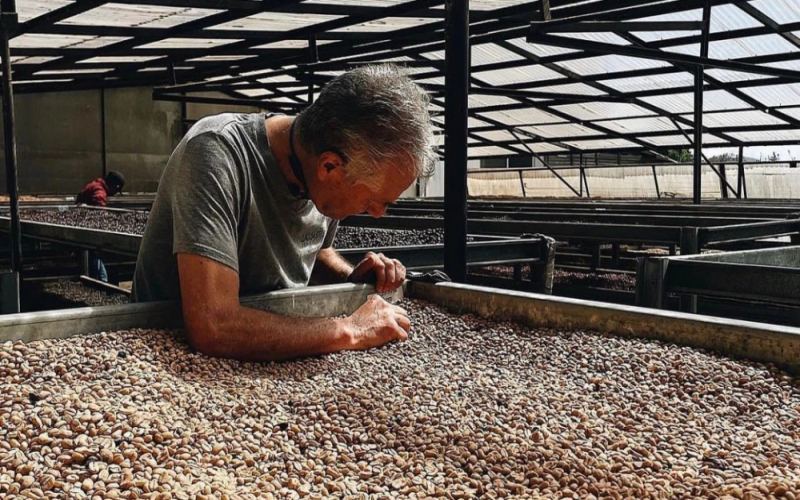
Panama Elida Estate Coffee Flavor Analysis: The Origin Story of Ultra-High-Altitude Geisha and Catuai
Elida Estate is located in the Boquete region of Panama, boasting one of the highest-altitude growing environments in the country, with nearly half of its area designated within Volcán Barú National Park. The unique terroir gives coffee cherries a growth and ripening rhythm unlike that of conventional regions, and the estate owner's rigorous control over harvesting and post-processing has made the Geisha and Catuai produced here highly sought after. This article will guide you through Elida Estate's geographical advantages, the influence of shade growing on flavor, the spread of the Geisha variety, and the brewing parameters and product information recommended by Front Street Coffee. [more…]

Flavor Analysis of Colombia Finca El Paraiso Anaerobic Natural Coffee Beans and SOE Extraction Guide
Finca El Paraiso is a family-run coffee estate in Colombia's Cauca region, renowned for its innovative processing methods. Its anaerobic natural coffee beans, with their pronounced fermented character and sweetness, have become a favorite among many coffee enthusiasts. In this article, Front Street Coffee will take you deep into this bean's regional background, varietal characteristics, and processing techniques, and share a complete set of insights ranging from the roasting curve to cupping flavors, all the way to V60 brewing and SOE extraction. Whether you're a pour-over enthusiast or an espresso player, you'll find practical reference parameters and key operating points here. [more…]
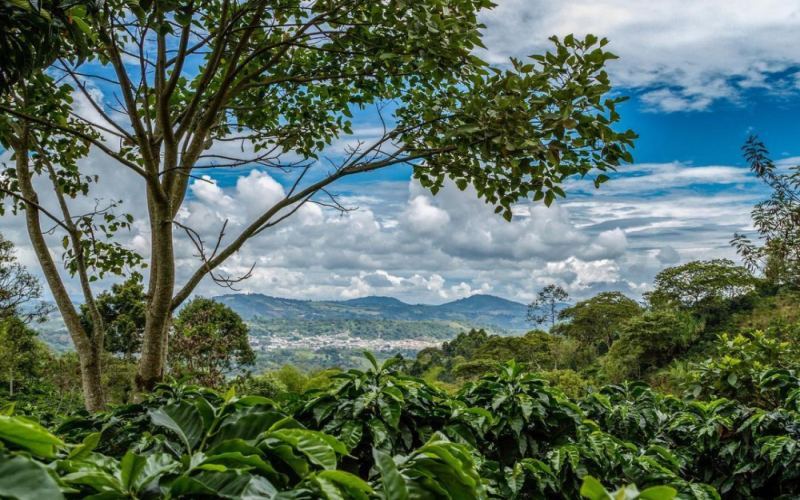
Flavor Analysis and Brewing Parameters of Colombia Finca El Paraiso SOE Double Anaerobic Washed Coffee Beans
Colombia, as the world's third-largest coffee producer, holds a special position in the international coffee market thanks to government regulations restricting the country to growing only Arabica varieties and the support of NFC institutions. Recently, Luckin Coffee launched its Little Black Cup series, featuring a Finca El Paraiso SOE, bringing this estate in the Cauca region into the spotlight. Finca El Paraiso was founded by Diego Samuel in 2008, starting as a small 2.5-hectare family estate, and rose to fame in a regional competition in 2015 through technological innovation. Front Street Coffee's bean list happens to include a Finca El Paraiso Sakura coffee bean, produced using a double anaerobic washed process, of the Castillo variety. This article will provide a detailed interpretation of this bean, covering its regional background, the principles of its processing method, variety characteristics, roasting approach, and pour-over brewing plan. [more…]